




Should You Call the Police After a Car Accident?
Most clients call us and ask: Should you call the police after a car accident?
Car accidents happen every day, and knowing what to do right after one can mean the difference between protecting your rights or losing them.
There are about 284 million registered vehicles in the United States, and around 12.15 million are involved in car accidents each year.
In non-fatal crashes, passengers are often the most affected. This is why knowing what to do right away matters. The first minutes after an accident are the most important.
What To Do After a Car Accident: Step by Step
Being in a crash can be traumatic for everyone. First, try to stay calm and assess the situation. Here are the steps to follow:
- Check for injuries.
Check that you and your passengers are okay. If anyone is hurt, call 911 right away. Only move someone who is injured if there is immediate danger, since moving them could make injuries worse.
- Move to a safe area.
If your car can be moved, pull it to the side of the road and turn on your hazard lights. If it cannot be moved, get out and go to a safe spot away from traffic.
- Call emergency services and report the accident to the police.
No matter how minor or serious the accident is, many states require you to contact the authorities.
The police will document what happened and create an official report, which is important for your insurance claim. If you cannot stay at the scene, you can report the accident at a local police station.
- Exchange information with the other driver.
Ask the other driver for their name, phone number, license number, and insurance details.
This information helps the insurance company decide who is at fault. If there are any witnesses, get their contact information as well.
- Document everything.
Take photos of the damage, the position of the cars, road conditions, and any signs you see. Write down the names of the officers at the scene and ask for a copy of the police report, the more evidence you collect, the stronger your case will be.
- Notify your insurance company and the DMV.
Call your insurance company as soon as you can, ideally while you are still at the scene, to report your claim. You should also notify the Department of Motor Vehicles if there were injuries or major damage.
Should You Call the Police After a Car Accident?
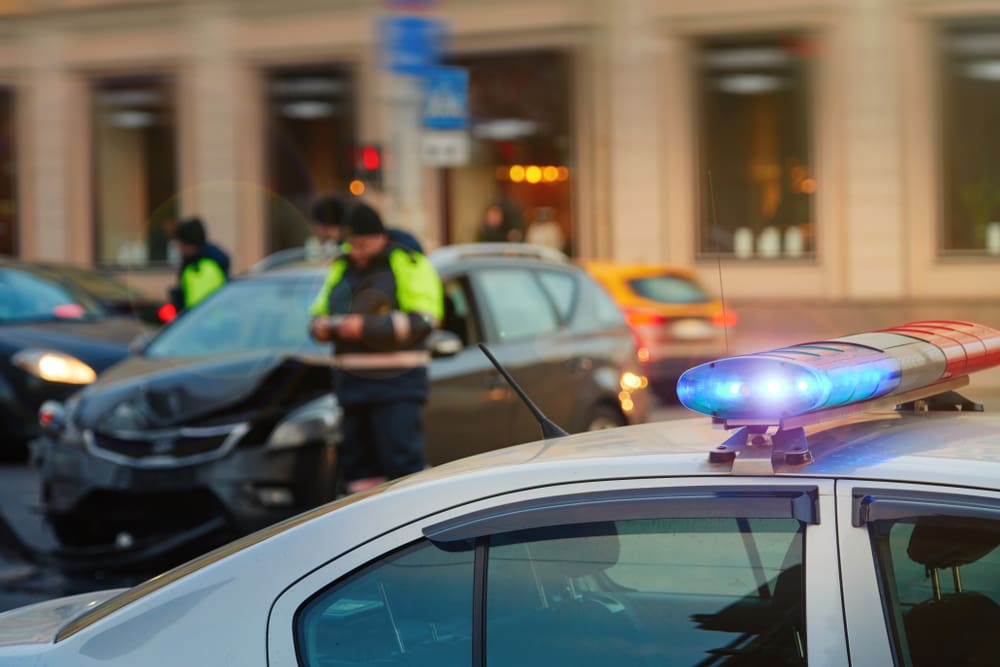
Alt text: Report a car accident to the police?
Many drivers do not call the police if the accident seems minor, but this can be a costly mistake.
The police report is the most important document for your insurance claim.
Without a police report, your insurance company might question what happened, delay your claim, or even deny payment. If the other driver changes their story later, the official report protects you.
Calling the police does not mean someone will get a ticket or be arrested.
It just makes sure the facts are officially recorded. If your case goes to court, that report can be used as evidence. Always call the police, even if the accident seems minor. If there are problems with your report, here is how to handle an incorrect police report.
What NOT To Do After a Car Accident
It is just as important to know what to avoid as it is to know what to do. These common mistakes after an accident can cost you your claim:
- Don’t admit fault at the scene.
Even if you think the accident was your fault, do not say so to the other driver, witnesses, or the police. Deciding who is at fault is up to the insurance companies or, if needed, a court.
- Don’t leave the scene.
Leaving the scene of an accident is illegal in most states. It can lead to criminal charges and may also prevent you from filing a claim.
- Don’t skip calling the police.
Even if the other driver wants to “just handle it between yourselves,” you should always call the police. Without an official report, your insurance company might deny your claim.
- Don’t sign anything without consulting a lawyer.
If the other driver’s insurance company calls you soon with an offer, be careful. It is usually much less than what you deserve.
- Don’t wait to seek medical attention.
Some injuries, such as whiplash or head trauma, may not show symptoms right away. Seeing a doctor early will document your injuries and help protect your case.
What If the Other Driver Has No Insurance?
This happens more often than you might think. In Virginia and Maryland, many drivers do not have proper insurance. If the other driver is not insured, you still have options. Learn more about car insurance requirements in the DMV area.
| Situation | What You Can Do | Why It Matters |
| The Other Driver Has No Insurance | Evaluate your available legal and insurance options. | It does not mean you cannot recover compensation. |
| Uninsured Motorist Coverage | Your own insurer may cover damages and injuries if you have this coverage. | It is one of the most important and often overlooked protections. |
| Direct Lawsuit | You may sue the at-fault driver to recover your losses. | An attorney can determine if this option is viable. |
| Key Recommendation | Consult with an attorney before making decisions. | Helps you understand your options and maximize compensation. |
When Do You Need a Lawyer After a Car Accident?
You do not need a lawyer for every accident, but in some situations, having one can make a big difference. You should consider contacting a personal injury attorney if:
- There are physical injuries of any severity
- The accident involves an uninsured or underinsured driver
- The insurance company denies your claim or offers too little
- There are disagreements about who was at fault. See how fault is determined in multi-car accidents.
- The accident involves a commercial vehicle, truck, or rideshare
- There is significant property damage. Check our DMV car repair guide.
In these situations, a lawyer can negotiate with the insurance company for you, gather the evidence you need, and help you get the full compensation you deserve, not just what the insurer wants to pay.
Frequently Asked Questions
1. What should I do after a car accident?
First, make sure everyone is okay and call 911 if anyone is hurt. Then move to a safe place, call the police to document the accident, exchange information with the other driver, take photos, and notify your insurance company as soon as you can. Knowing what to do from the start protects your health and your right to fair compensation. For more answers, check out our Top 4 Car Accident FAQs.
2. Do I always have to report a car accident to the police?
In most cases, yes. In Virginia and Maryland, you must call the police if there are injuries or major damage. Even if the accident seems minor, having an official police report is important for your insurance claim. Without it, the insurance company might question what happened or deny your claim.
3. Do I need to see a doctor if I feel fine after the accident?
Yes, and the sooner you see a doctor, the better. Injuries such as whiplash, herniated discs, or internal trauma may not show symptoms right away but can appear days later. Seeing a doctor early will document your injuries and help your case if you need to claim compensation.
4. How long do I have to report an accident to my insurance company?
It depends on your policy, but most require you to report the accident as soon as possible or within a set time. Waiting too long can lead to a denied claim. The best thing to do is call your insurance company the same day as the accident. Learn more about insurance requirements in the DMV area.
5. What do I do if the other driver fled the scene?
Write down everything you can, such as the car model, color, and license plate, even if you only have part of it. Talk to witnesses and take photos of the scene. Then call 911 and report what happened. If you have uninsured motorist coverage, your own policy may cover this type of case.
6. Can Malloy Law help me after a car accident?
Yes. At Malloy Law, we have over 15 years of experience helping car accident victims in Virginia and Maryland. Whether you were injured, the insurance company is offering less than you deserve, or you are not sure where to start, we are here to help. The consultation is free and comes with no obligation. Contact us today.
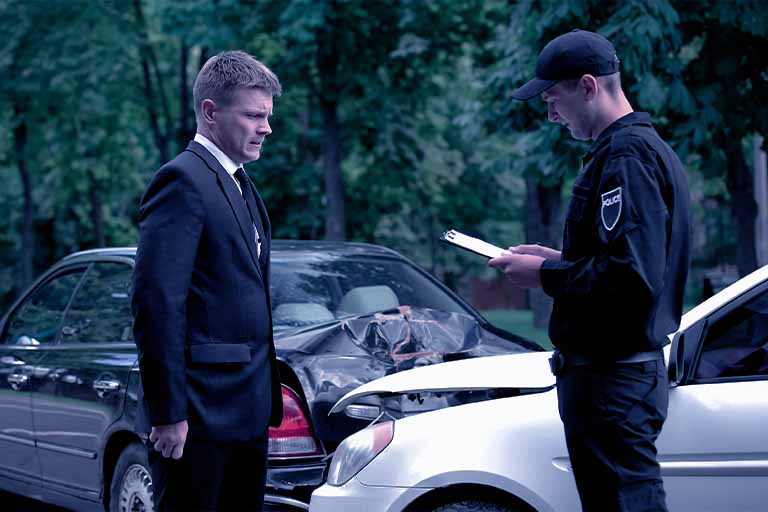
Contact Malloy Law Offices, LLC Today!
If you were in a car accident, do not wait to get legal advice.
At Malloy Law, the consultation is free and you are not required to hire us.
Our attorneys have over 15 years of experience with car accident cases in Virginia and Maryland, and we are ready to help you get the compensation you deserve.